The Ikigai Blog

Longevity, explained

Evidence-based writing from our physicians on brain health, cancer screening, metabolic health, and living longer, better.

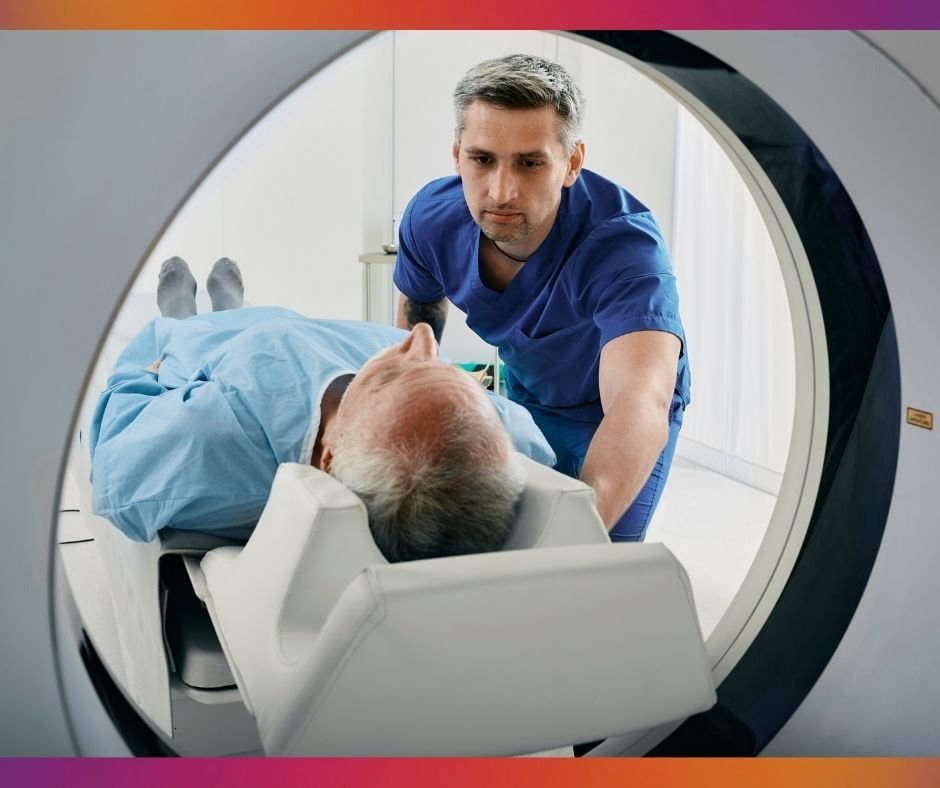
A clinician positions a patient on the table of a whole-body MRI scanner in preparation for an advanced imaging scan.

Whole-Body MRI and Advanced Imaging: How Much Should We Look?

Whole-body MRI can find unsuspected cancers and other serious abnormalities without radiation, but in people with no symptoms it detects cancer in only about 1.5 percent of scans and turns up many harmless findings along the way. The American College of Radiology does not recommend routine total-body MRI for people without symptoms or risk factors, because no study has shown it helps people live longer. It has a clearer role for people with inherited cancer syndromes such as Li-Fraumeni. For everyone else, the real question is how much to look, and what you will do with what you find.

Read the article →


A man in his late 50s reviews results on his laptop at home, thinking about what a blood test might reveal.

Can a Blood Test Find Cancer Before It Finds You?

A single blood draw can now flag signals from dozens of cancers, including some we never screen for, but it misses most early cancers and has not yet been shown to save lives. Galleri, a multi-cancer early detection (MCED) test, rarely raises false alarms (fewer than 4 in 1,000 people) and about 60 percent of its positive results turn out to be cancer.

Read the article →

Stop guessing. Start optimizing.

You have a strategy for your wealth and your career. It's time to build one for your health.